
Posts Tagged ‘Recipes’

Eid Mubarak & Syrian Ice Cream (Éma’a)

Thursday, September 9th, 2010

At the end of the month-long fast of Ramadan comes a three-day holiday called Eid al-Fitr, which means “The Festival of Fast-Breaking”.  People greet each other by saying Eid Mubarak (“Blessed Festival”), and during this time charity is given to needy families, gifts are given to children, and people get dressed up and visit family and friends.  As you can imagine, food of every kind (but especially sweets) is abundant.

The first time I enjoyed this ice cream (which is called Éma’a) was at Bakdash Ice Cream parlor where it originated; Bakdash is in the Souk Al Hamidiyah in Damascus, Syria.  I recently had a craving for it and since Mike and I aren’t planning a trip back to Syria for a while, I knew I would have to come up with a recipe myself.  And what better time to make it than for the Eid?

Bakdash Ice Cream Parlor, Souk Al Hamidiya, Damascus, Syria (Image Source)

My very sweet mother-in-law told me the main ingredients in Éma’a, which are fairly well-known:  milk, Chios gum mastic, sugar, sahlab, and rose water (plus of course the pistachio coating!).  There are two ingredients that are somewhat uncommon – Chios gum mastic and sahlab – but both are available in Middle Eastern markets.

Chios gum mastic is a really interesting ingredient.  It comes in little yellow crystals (the medium-sized tears are about 1/2 cm wide by 1 cm tall) called tears, and has the look and feel of beach glass.  It has a strong perfume-y smell…I actually think it smells just like Tide laundry detergent.

Tears of Chios Gum Mastic

Here is what it says about mastic on the back of the tin:  “[Mastic is] a unique product with many beneficial qualities and wide-ranging uses since antiquity.  Nowadays, it is used in pharmaceuticals, perfumes, cosmetics, beverages, baking goods, sweets, as well as in cooking.  Mastiha is the natural resin of pistacia lentiscus variety Chia, a tree which grows only on the Aegean island of Chios, Greece.  Scientific research shows that Chios Mastiha has anti-microbial, anti-inflammatory and healing activity.  It contributes to a healthy gastrointestional system and has beneficial effects for both oral hygiene and skin care.”  (You can read more about Chios gum mastic or buy it online here.) 

Tin of Chios Gum Mastic

Sahlab is a mixture of cornstarch, sugar, and sahlab (roots of orchids mascula).  If you can’t find sahlab you can substitute an equal part of cornstarch plus a couple drops of orange blossom water.

Sahlab

After we bought these ingredients, the hardest part was figuring out the proportions of each.  After some trial and error I came up with a recipe that Mike and I both feel is a pretty close replication of the original.  I use 9 parts whole milk and 1 part heavy cream, but feel free to use all whole milk if you prefer.

Syrian Ice Cream (Éma’a)

(Yield:  About 10 cups)

9 c plus 1/4 c whole milk, divided

1 c heavy cream

4 medium pieces (about 1/4 tsp) Chios gum mastic

2 1/2 c sugar

5 tsp sahlab

3/4 tsp rose water

Chopped pistachios (for serving)

In a small bowl, whisk together 1/4 c milk with the sahlab; set aside. 

Grind the mastic into a powder; the best way to do this is to put the mastic between 2 pieces of parchment paper or inside a plastic bag and pound it with a heavy object, such as a rolling pin. 

In a medium-large pot over medium heat, combine 9 c milk, the cream, and the mastic; bring to a boil (stirring frequently).  Slowly whisk in the sugar and bring back up to a boil, stirring constantly.  Whisk in the sahlab mixture and boil vigorously 5 minutes.  Turn off the heat and add the rose water.  Cool to room temperature, then refrigerate until well chilled (about 4 hours).

Transfer the chilled mixture to an ice cream machine and process according to the manufacturer’s directions.  Once processed, put the ice cream in a freezer-safe bowl and transfer to the freezer to set.  Scoop out the ice cream and roll generously in chopped pistachios before serving.

Toasted Coconut Muffins

Saturday, September 4th, 2010

Muffins are convenient to make for holidays because they’re portable, keep well, and can be eaten as breakfast, snacks, or dessert.  These muffins have great coconut flavor – there’s toasted coconut on top, flaked coconut inside, and half of the flour I used in these muffins is coconut flour, which is high in fiber and protein.  Surprisingly, the coconut flavor isn’t overwhelming at all; the coconut flour has a very subtle coconut flavor and the flaked coconut inside is mainly to keep the muffins moist, so the little bit of toasted coconut on top really ends up being the most pronounced coconut flavor.  And what goes better with coconut than chocolate and macadamia nuts?  Nothing, other than maybe a tall glass of milk.  :)

I hope everyone has a safe, happy Labor Day! Toasted Coconut Muffins

(Yield:  18 muffins)

2 c all-purpose flour

2 c coconut flour

2 tsp baking powder

1/2 tsp salt

2 large eggs

1 1/4 c low-fat or fat-free milk

2/3 c canola oil

1 large banana, mashed (about 1/2 c)

3/4 c sugar

1 tsp vanilla, coconut, or almond extract

1 c plus 6 TB sweetened flaked coconut, divided

1/3 c mini chocolate chips

1/3 c roughly chopped macadamia nuts

Muffin tray

Paper muffin liners

To toast the coconut and macadamia nuts:  We’re only toasting the coconut that will be used as a topping (6 TB); the remaining coconut (1 c) will be kept untoasted and mixed inside the batter to help keep the muffins moist.  Add 6 TB coconut to a small, dry pan over medium-low heat; stir frequently and remove from heat once the coconut is a light golden brown color.  Repeat this process with the macadamia nuts.  Let the coconut and nuts cool before adding to the batter.

Preheat the oven to 350F.  In a medium bowl, whisk or sift together the flours, baking powder, and salt.  In a separate large bowl, whisk together the eggs, milk, oil, banana, sugar, and extract.  Slowly stir the dry ingredients into the wet just until incorporated.  Stir in the remaining 1 c coconut, chocolate chips, and nuts.  (The batter will be somewhat thick and lumpy, which is fine.)

Line the muffin tray with paper liners and fill each muffin well about 3/4 full with batter and sprinkle 1 tsp toasted coconut on the top of each muffin.  Bake for about 20-24 minutes, or until a toothpick inserted inside comes out with just a few crumbs.

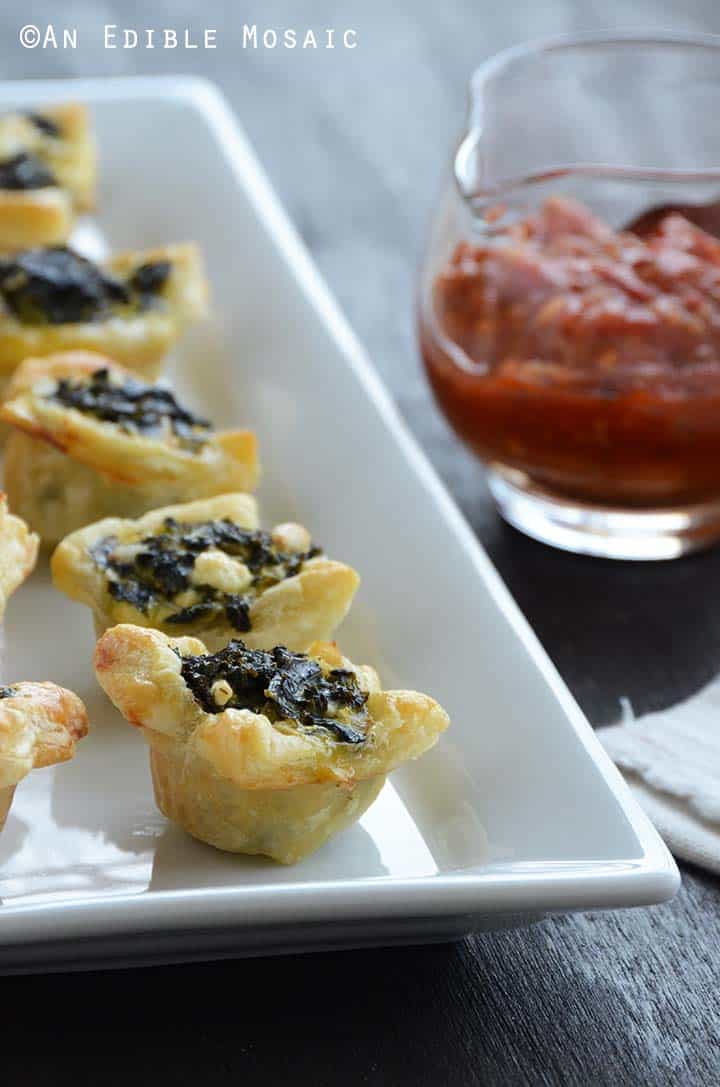
BBQ Sauce

Wednesday, September 1st, 2010

I wanted to share my favorite recipe for BBQ sauce in time for Labor Day grilling this weekend.  I know there are a few decent varieties of BBQ sauce available in the grocery store, but once you make it yourself you may never want store-bought again.  Which is ok because from start to finish, it’s less than 30 minutes until you are (or the grillmaster in your house is) in BBQ sauce heaven. 

BBQ Sauce

(Yield:  About 1 c)

1 c pomegranate juice (such as POM Wonderful)

1/2 c apple cider vinegar

1/3 c lemon juice

3 oz tomato paste

1/3 c plus 1 TB brown sugar, lightly packed

1 clove garlic, peeled and cracked

1-inch piece ginger

1 bay leaf

1 tsp mustard powder

1 tsp ground cumin

1/2 tsp crushed red pepper flakes (more or less to taste)

1/2 tsp salt

1/4 tsp black pepper

Combine all ingredients in a medium saucepan and bring to a boil.  Turn the heat down to low and simmer (uncovered) until thickened and reduced by half (about 25 minutes).  Strain the sauce through a fine mesh sieve; store in the fridge.

Peachy Keen Quinoa Porridge

Sunday, August 29th, 2010

I’ve only just recently started eating quinoa and I can tell you that I’ve been missing out.  Quinoa is one of those foods you know nature intended you to eat because of how healthy it is.  Quinoa is an ancient food native to South America that was referred to as “the gold of the Incas”.  It is usually thought of as a grain, but it is actually a seed that is related to leafy green vegetables like spinach. 

Some of the benefits of quinoa include:*

  • Easily digestible and gluten-free
  • Acts as a prebiotic, feeding the good bacteria (microflora) in your intestines
  • Complete protein, which means that it contains all essential 9 amino acids
  • Great source of fiber
  • High levels of magnesium, which helps to relax your muscles and blood vessels
  • Good source of manganese and copper, which act as antioxidants and help your body get rid of carcinogens

Quinoa is as easy to cook as rice, but does require soaking to remove the bitter saponin coating.  Most commercially processed quinoa has already had the saponin coating removed, but I like to give it a short soak to help remove any residual bitterness.  I soak quinoa in cold water or 15 minutes, then transfer it to a fine mesh sieve and give it a thorough rinse with cold water; after that I cook it as I would cook rice. 

Peachy Keen Quinoa Porridge

(Yield:  1 serving)

1/4 c quinoa

3/4 c water

1 medium peach, diced (I didn’t peel mine)

1/8 tsp cinnamon

Pinch salt

1/2 c plain soy or almond milk

1 tsp honey (more or less to taste)

Soak the quinoa in cold water for 15 minutes.  Strain it through a fine mesh sieve, then thoroughly rinse it under cold running water.  Transfer the quinoa, 3/4 c water, diced peach, cinnamon, and a pinch of salt to a small/medium saucepan with a lid.  Bring to a boil over medium heat with the lid off; once it boils, give it a stir, cover it, and turn the heat down to a gentle simmer.  Cook for 14 minutes, add the milk, turn up the heat slightly, and cook (uncovered) until it reaches your desired consistency.  Add honey to taste and serve hot.

*The health benefits of quinoa listed here are from The World’s Healthiest Foods and Body Ecology.

Arabic Cream-Filled Pastries (Warbat bil Ashta)

Wednesday, August 25th, 2010

Sweets are abundant during Ramadan (at least in my in-laws’ family).  Date and walnut-filled cookies called Ma’moul are traditional, but pretty much any and every type of sweets abound.  I remember my sister-in-law making Atayif (pancake-like sweets that are stuffed with nuts, cream, or cheese) almost every night during Ramadan (she was so good at it – they were seriously addictive!). 

Last year I made Date Bar Cookies; I was hoping to master the art of Ma’moul before this Ramadan, but sadly this still hasn’t happened yet so I won’t be sharing that recipe with you.  However, Mike asked for cream-filled pastries called Warbat bil Ashta, which are relatively easy to make and incredibly delicious. 

Mike didn’t have a recipe for Warbat (and surprisingly I couldn’t find a good recipe for it on the internet), but he described the pastries to me so I could use trial and error to come up with the method.  In the final version (which, believe me, was after a few failed attempts) I wrapped the pastries the same way I would if I were making samosas or sambousek with phyllo dough.  Finally success!  Mike said the end result looked and tasted exactly as he remembered it back in Syria.

(I’ll admit, the only reason I’m familiar with the method for making samosas and/or sambousek out of phyllo dough is because when I was a kid, in school during class our preferred method of passing notes was through the use of what we called “paper footballs”, which could easily fly unnoticed across a classroom.)

Paper Football Made out of a Dollar Bill (Image Source)

I didn’t have a recipe for the cream filling (ashta) either, but I remembered Joumana making it not too long ago on her beautiful blog, Taste of Beirut.  Thank you, Joumana, for sharing your lovely recipe, and for saving me the trouble of trial and error in making ashta!

Ashta

Arabic Cream-Filled Pastries (Warbat bil Ashta)

(Yield:  About 24 pastries)

Cream Filling (Ashta) (see below)

Sugar Syrup (see below)

1 lb phyllo dough (13 by 13-inch sheets)

1/2 c ghee (clarified butter), melted (plus a little more to brush on top if necessary)

2 TB pistachios, very finely chopped (for garnish)

Cream Filling (Ashta) (Yields about 2 c) (Adopted slightly from Taste of Beirut):

2 c milk

2 oz (about 2 slices) American-style white bread, crusts removed and cubed

3 TB tsp cornstarch

1 tsp rose water

1 tsp orange blossom water

Sugar Syrup:

3/4 c sugar

3/4 c water

1/2 tsp rose water

1/2 tsp orange blossom water

1/2 tsp lemon juice

Baking sheets

Silpat liners or parchment paper

Pastry brush

For the Cream Filling:  In a medium-sized saucepan, combine the bread and 1 c milk, making sure that the bread is completely immersed in the milk.  Transfer the saucepan to the fridge so the bread can soak for 30 minutes (or up to 12 hours).  After the bread has soaked, in a separate bowl, stir together the cornstarch with the remaining cup of milk.  Cook the soaked bread/milk mixture on medium heat until it simmers (stirring frequently with a whisk).  Whisk in the cornstarch slurry, bring the mixture up to a boil, then boil for 1 minute.  Turn off the heat and add the rose water and orange blossom water.  Cool to room temperature, then refrigerate until chilled to let the cream fully thicken.

For the Sugar Syrup:  Combine the sugar and water in a small saucepan over medium heat; bring it up to a boil, then turn the heat down and let it simmer until thickened slightly (about 15 minutes), stirring occasionally.  Remove from heat and stir in the rose water, orange blossom water, and lemon juice; set aside to cool. 

To Make the Pastries:  If you’re using frozen phyllo dough, let it thaw in the fridge overnight.  Preheat the oven to 350F and line your baking sheets with silpat liners or parchment paper.  Have the melted ghee and pastry brush ready, along with the ashta and a tablespoon-sized measuring spoon.  Unwrap the phyllo and arrange it in a stack in front of you. 

Using the pastry brush, brush melted ghee on the top half of the phyllo sheet that’s on the top of the stack; fold the sheet in half, bringing the unbuttered side on top of the buttered side.  On the sheet that you just folded over, brush ghee across the top half of it (the long way).  Fold the sheet in half again, bringing the unbuttered side on top of the buttered side.  You will be left with a long, thin rectangle, about 13 inches wide and 3 1/4 inches tall.

Place 1 TB of ashta on the left corner of one end of the rectangle.  Flip the right corner up over the ashta on the left corner, then continue to fold it over onto itself from one side to another.  You will be left with a little triangle.  Brush the top with ghee and place it on the prepared baking sheet.  Continue this way until all the dough is made (you will get about 24 pastries).

Bake the pastries until golden and crispy, about 18-20 minutes (rotating the baking sheets once halfway through).  (Be sure not to overcook, since this will cause the ashta to ooze out.)  When you take them out of the oven, drizzle each of the hot pastries with about 1-2 tsp of the cooled Sugar Syrup and sprinkle the pistachios on top.  (You will probably have a little leftover Sugar Syrup – you can use this to sweeten beverages such as tea or coffee, or to drizzle over grilled stone fruit.)